Like a Rolling Stone
Bob Dylan
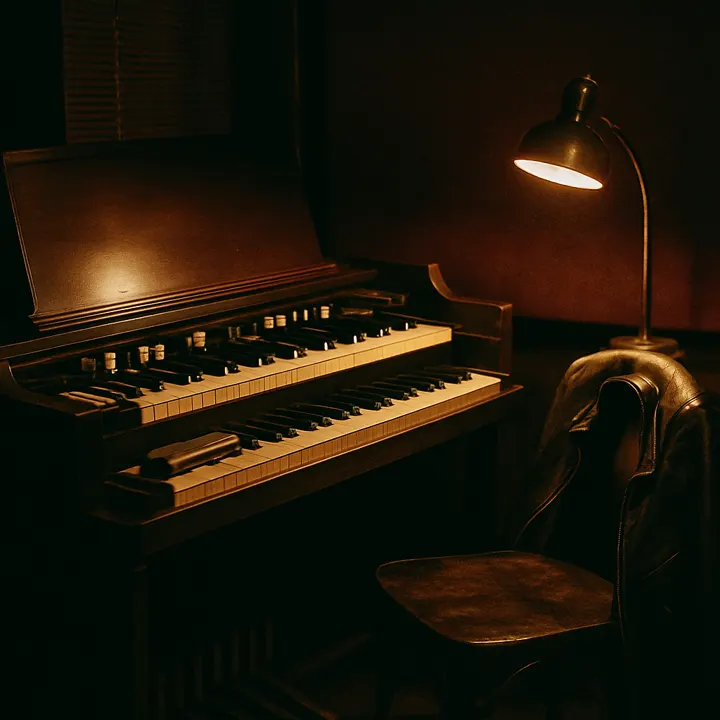
Like a Rolling Stone's famous organ was played by someone who wasn't an organist.
Al Kooper came to the June 1965 session in New York hoping to play guitar. When the organ chair opened up he sat down and played by ear, a beat behind the chords - and Bob Dylan asked for the organ to be turned up in the mix.
The six-minute single reached No.2 on the Billboard Hot 100, and Rolling Stone later ranked it No.1 on its 500 Greatest Songs of All Time (2004).
Ever noticed the organ trailing just behind the band?
An organist who was not an organist
The organ line that threads through Like a Rolling Stone was not the work of a trained keyboard player. Al Kooper, a young guitarist, came to the June 1965 session in New York hoping to play guitar on a Bob Dylan record. He did not get that part.
How the organ chair opened up
The organ seat became free during the session, and Kooper took it. He had little experience on the instrument, so he did not follow the chords with a player's precision. He worked by ear and landed a beat behind the band, reacting to each chord change just after it arrived.
A trained organist might have corrected that lag. Kooper could not, and the delay became part of the sound. The organ seems to lean into each change a moment late, as if it were catching up with the band.
Dylan's decision in the mix
Kooper's playing was not tidied away. Bob Dylan asked for the organ to be turned up in the mix, so it sits prominently in the finished recording. Dylan's choice kept a part that a more cautious producer might have treated as a flaw.
That preference runs through the record's whole character. The performance has a loose, in-the-room feel, and the organ is a large part of why.
A six-minute single
Like a Rolling Stone ran to about six minutes, far longer than most singles of the period. It still reached No. 2 on the Billboard Hot 100.
The length matters because it shows how much the record asked of radio and of listeners. A song that long gave the band room to build. It also gave Kooper's organ time to become one of the things people remember about the track.
How the song was ranked later
In 2004, Rolling Stone ranked Like a Rolling Stone No. 1 on its list of the 500 Greatest Songs of All Time. That ranking is the magazine's own editorial judgment, not a sales figure or a certification, and it should be read as such.
The song's history makes one point about studio work. Part of what listeners hear as its character came from a player working beyond his training, and from an artist who chose to keep that sound. Next time you play it, listen for the organ just behind the band.
Sources · Rolling Stone, "The 500 Greatest Songs of All Time" (2004); Billboard Hot 100 chart history for Bob Dylan, "Like a Rolling Stone" (1965); Behind The Song editorial notes on Like a Rolling Stone (fact-checked)